
Self
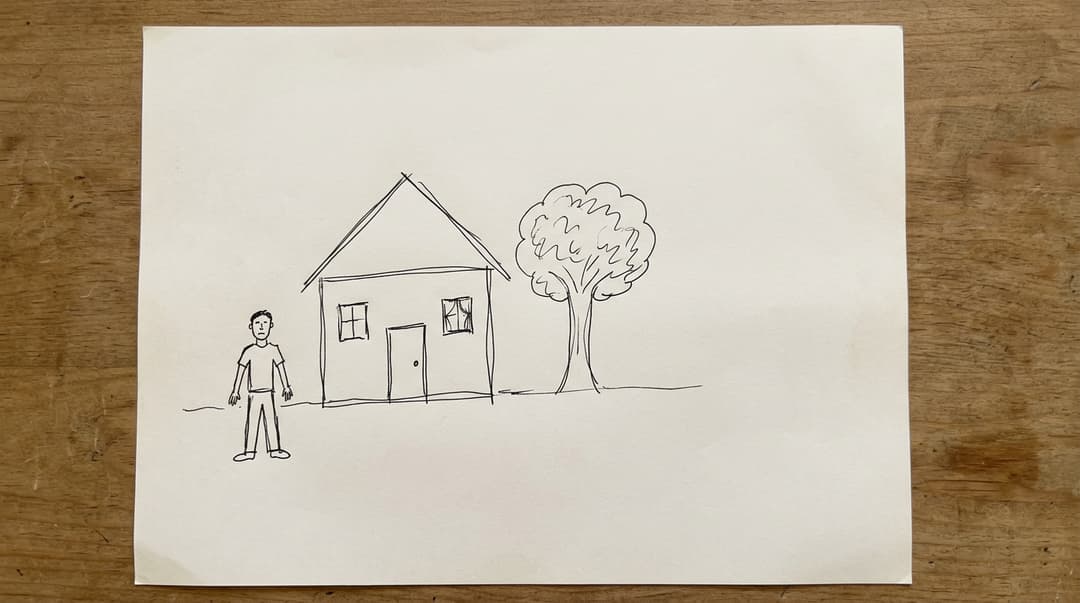
House-Tree-Person (HTP)
Draw a house, a tree, and a person together in one scene.
A reflection on how you picture safety and belonging, personal growth, self-image, and the way different parts of your inner and social world relate.
AI drawing reflection for adults
Choose a guided drawing psychology test, draw or upload one image, and get a clear report in minutes. See what is actually in the picture, what it may be useful to reflect on, and what it cannot prove. Free to try, private by default, never a diagnosis.
15 guided drawing tests
Self
Draw a house, a tree, and a person together in one scene.
A reflection on how you picture safety and belonging, personal growth, self-image, and the way different parts of your inner and social world relate.
Self
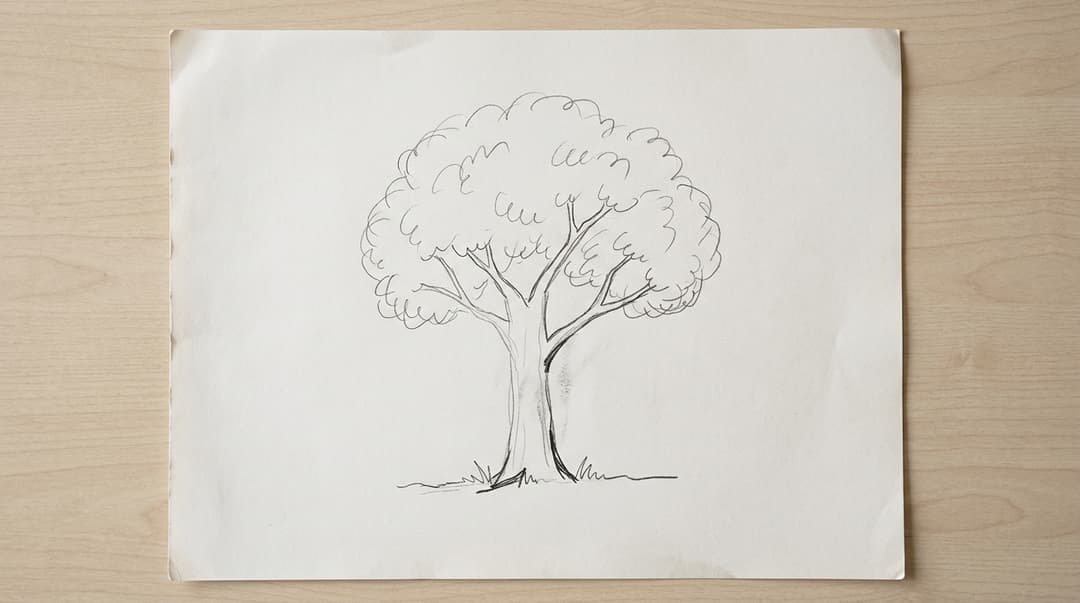
Draw a tree.
A reflection on how you imagine growth, stability, boundaries, change, and the environment that supports you.
Self
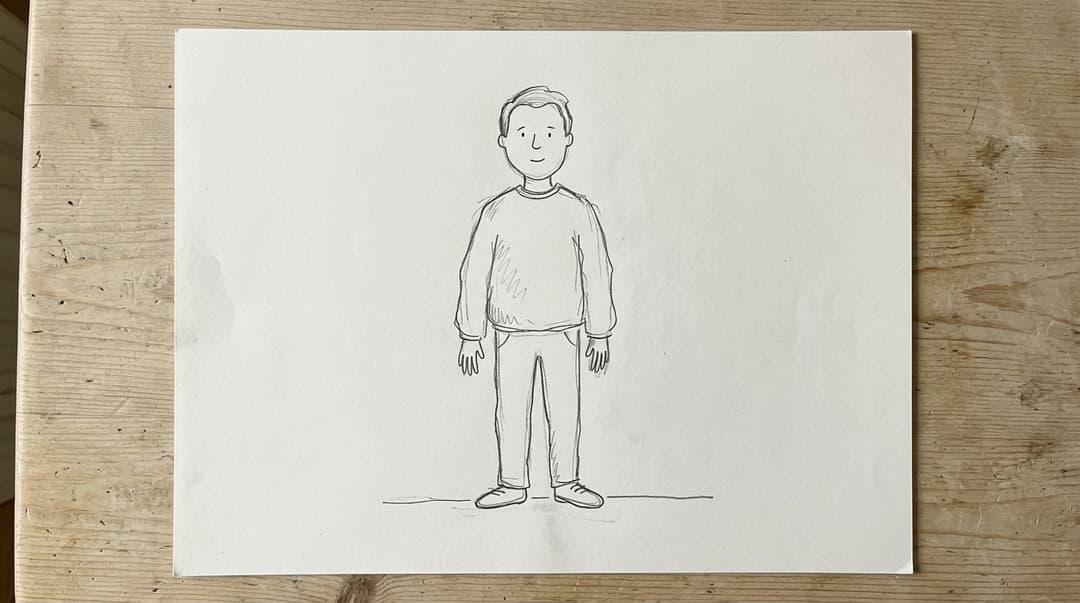
Draw a whole person.
A reflection on how you present a person through posture, agency, identity, social stance, and selected expressive details.
Self
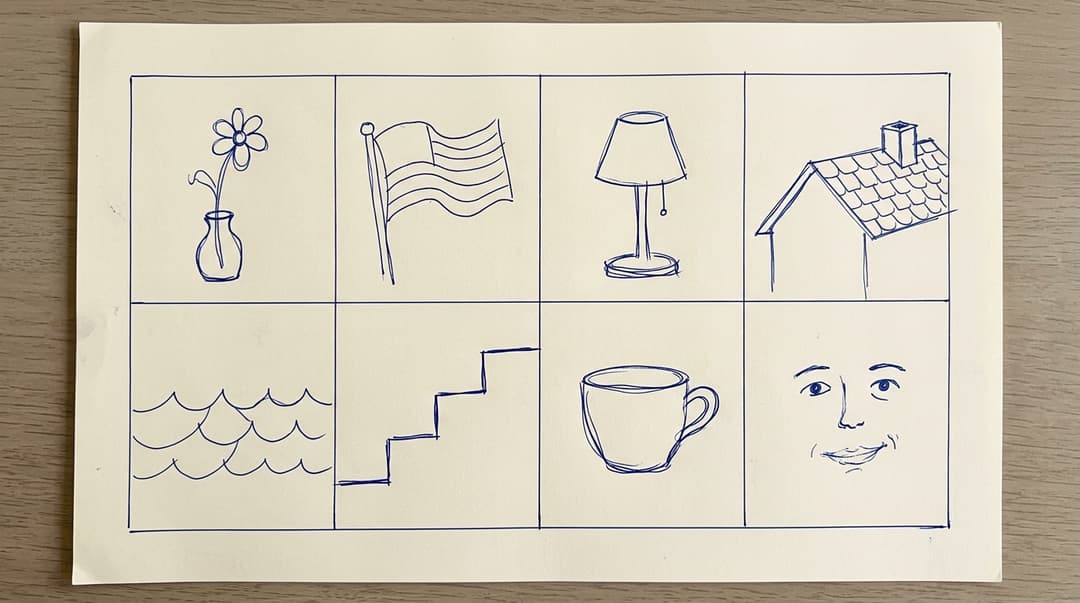
Complete all eight drawing fields on one board.
A reflection on how you approach ambiguity, structure an open-ended task, shift between ideas, and express emotional tone.
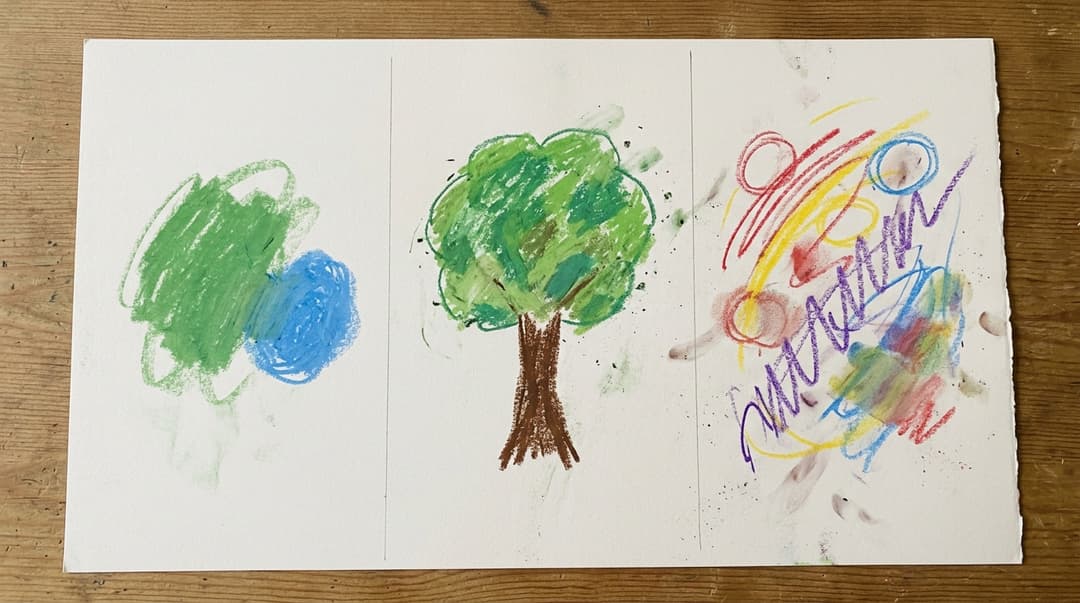
Self
Use the three panels for a free drawing, a tree, and a drawing of how you feel using lines, shapes, and colors.
A reflection on how your visual expression changes between open imagination, a natural form, and a named feeling.
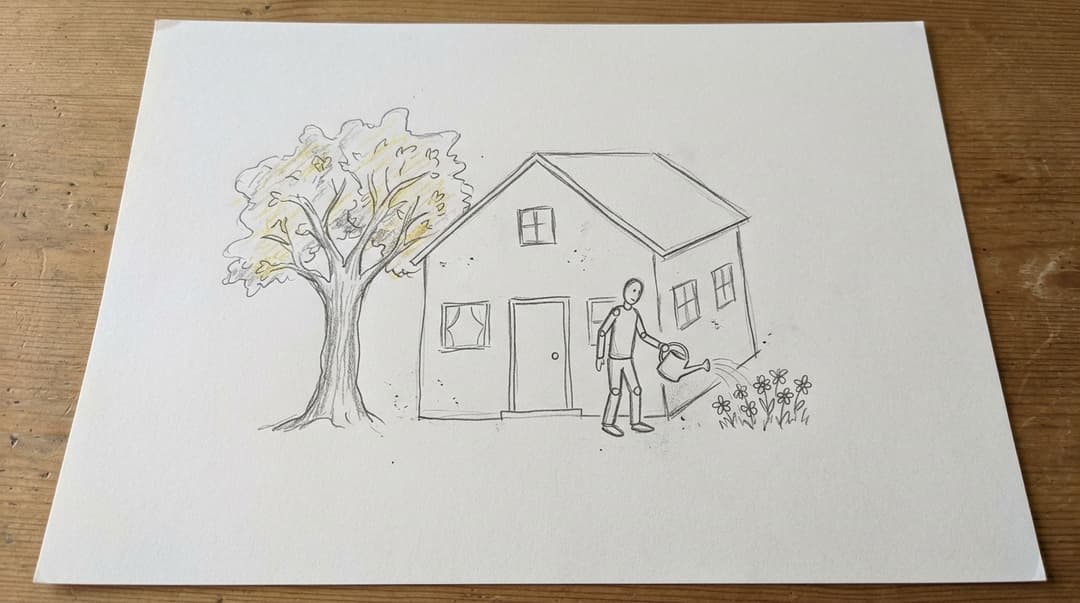
Self
Draw a house, a tree, and a person doing something together in one scene.
A reflection on how you place agency, action, environment, and relationships into one unfolding scene.
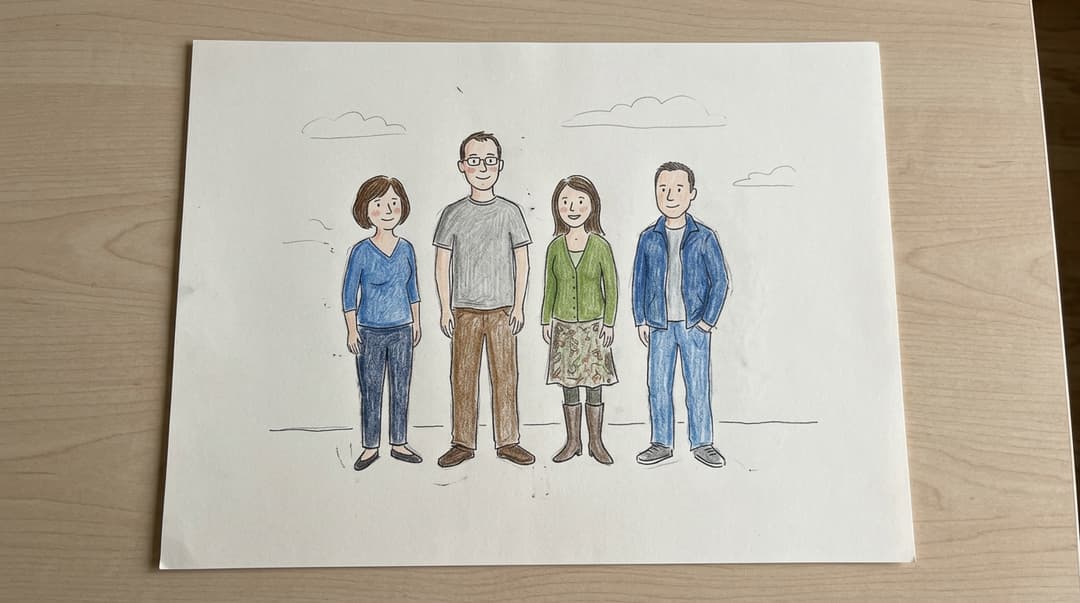
Relationships
Draw a family.
A reflection on how you depict belonging, roles, closeness, distance, and the way a group shares space.
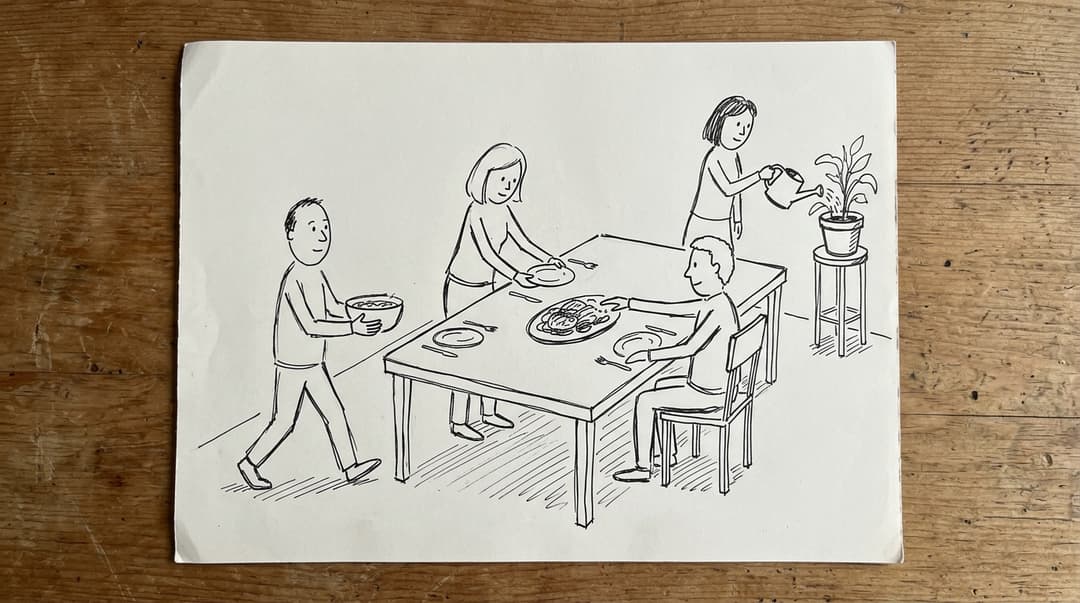
Relationships
Draw a family doing something together.
A reflection on how you imagine family roles through action, interaction, cooperation, separation, and shared attention.
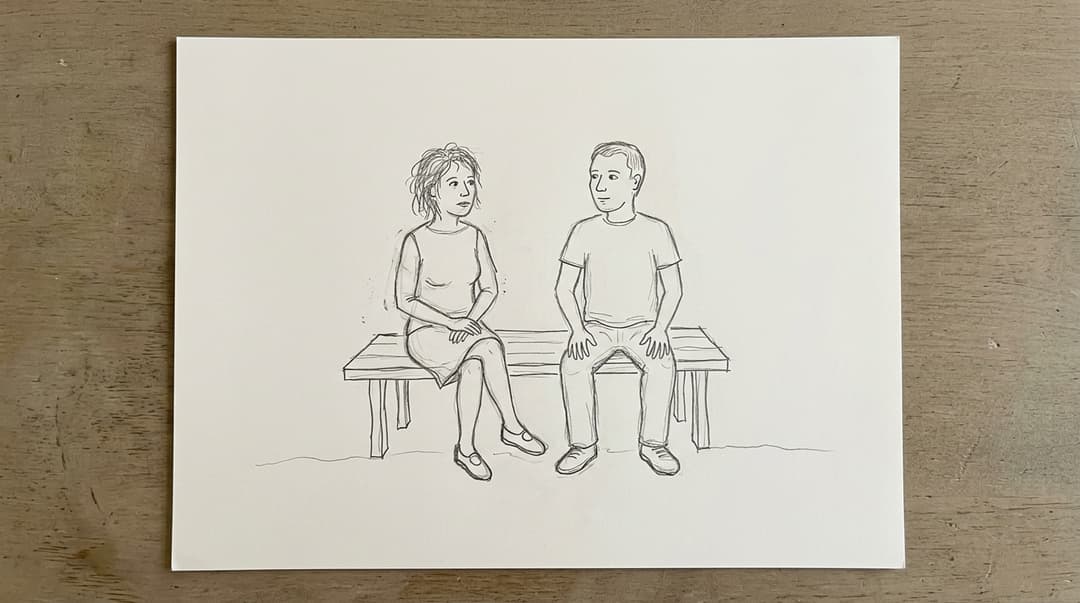
Relationships
Draw two people as a couple.
A reflection on how you depict mutual attention, boundaries, distance, shared activity, and the balance between two people.
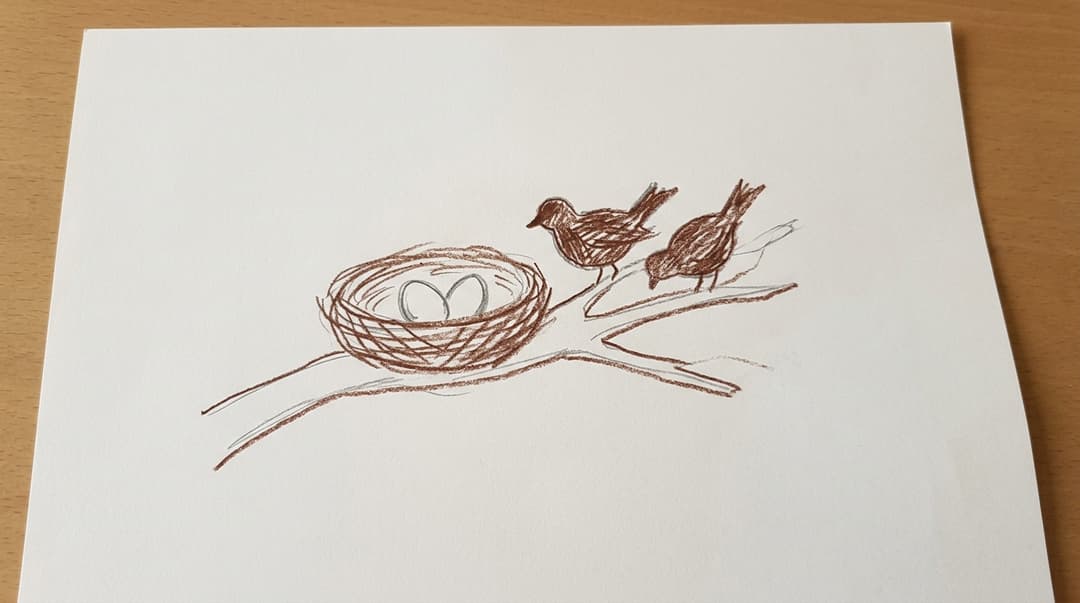
Relationships
Draw a bird's nest as you imagine it.
A reflection on how you imagine shelter, care, vulnerability, protection, and what belongs inside or outside a boundary.
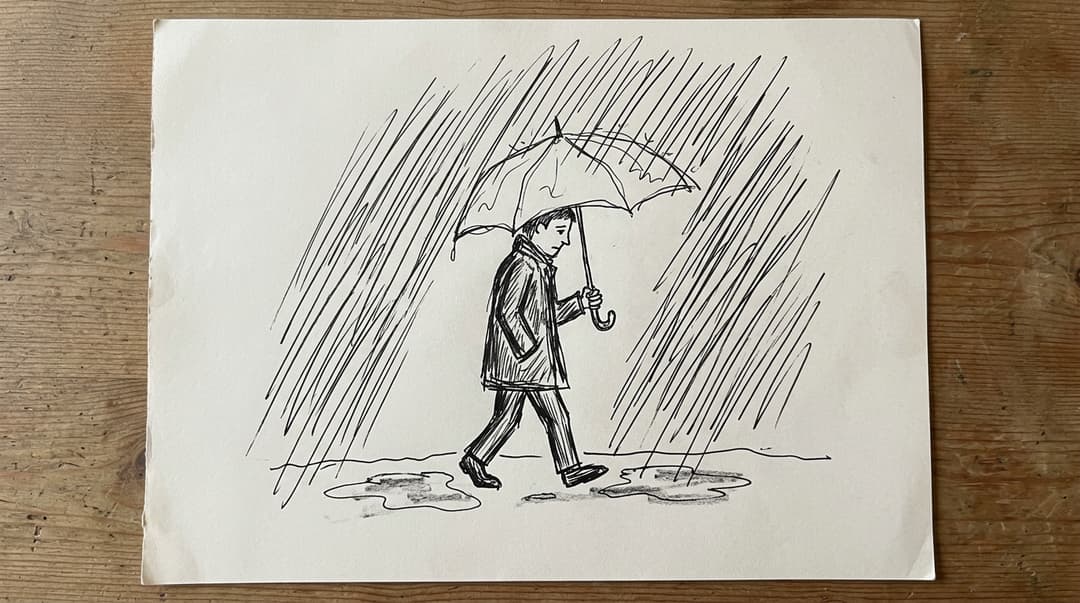
Stress and Coping
Draw a person in the rain.
A reflection on how you picture challenge, protection, movement, and the resources a person appears to use in difficult conditions.
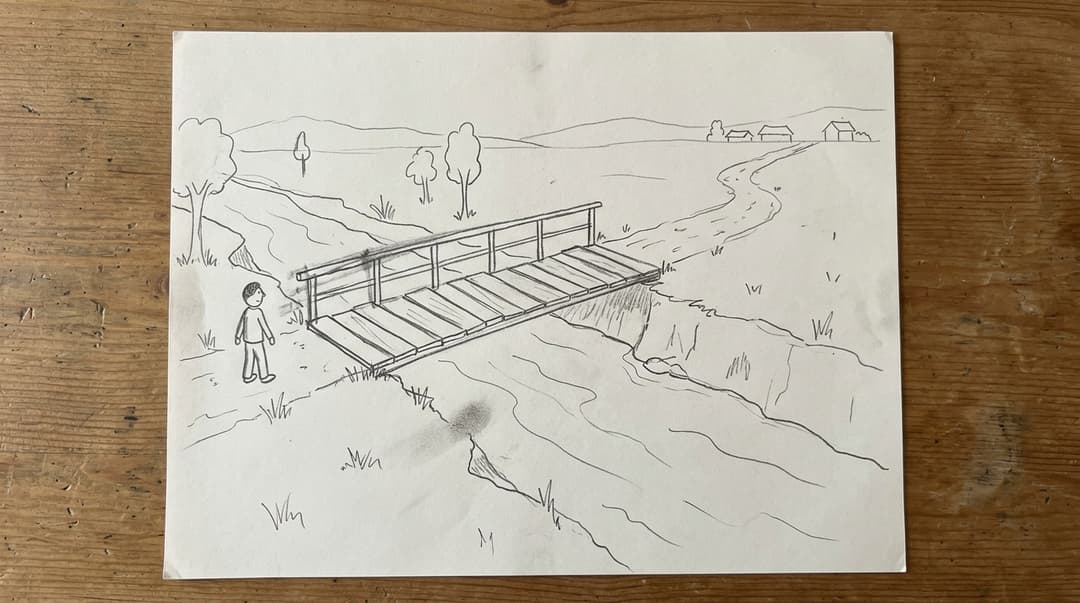
Stress and Coping
Draw a bridge going from one place to another, and place yourself somewhere in the scene.
A reflection on how you imagine transition, obstacles, support, direction, and the position you take while moving between places.
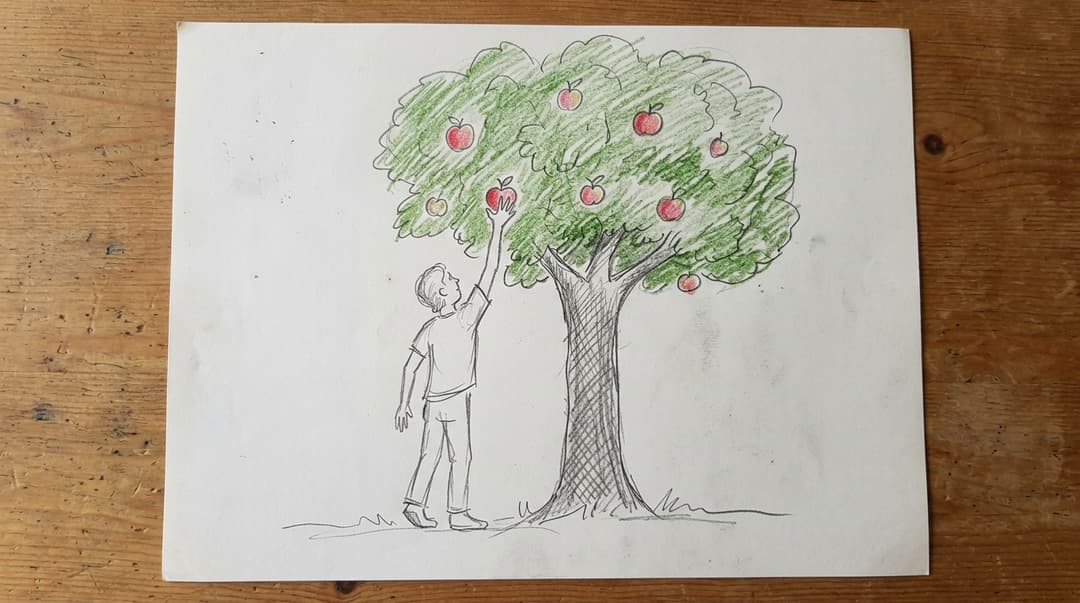
Stress and Coping
Draw a person picking an apple from a tree.
A reflection on how you depict agency, motivation, problem-solving, support, and the experience of reaching for a goal.
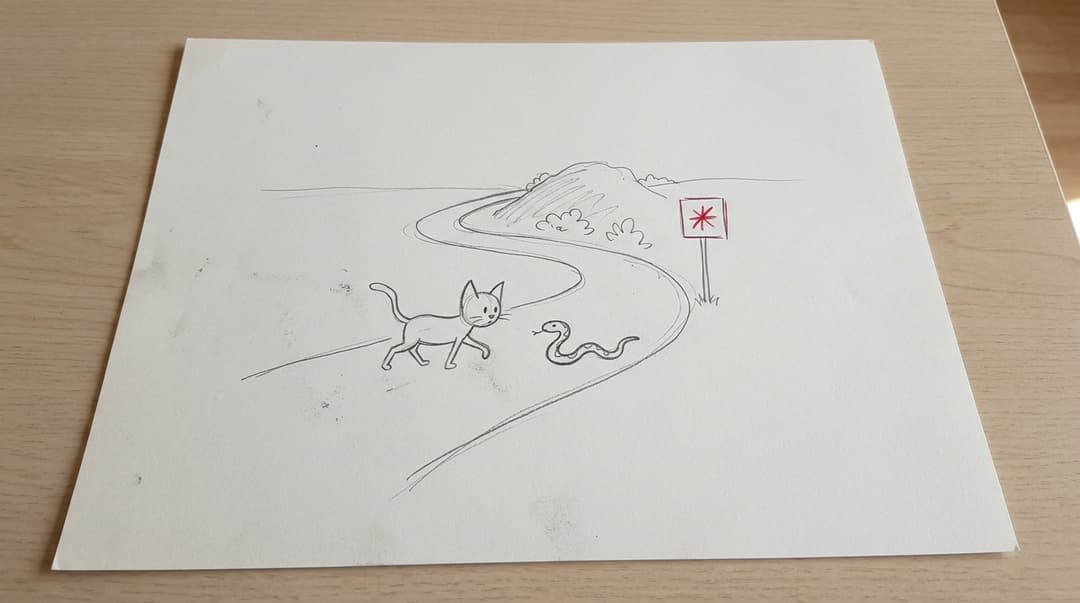
Imagination and Narrative
Create one drawing that tells a story.
A reflection on how you choose a point of view, give meaning to a moment, organize a story, and imagine what happens next.
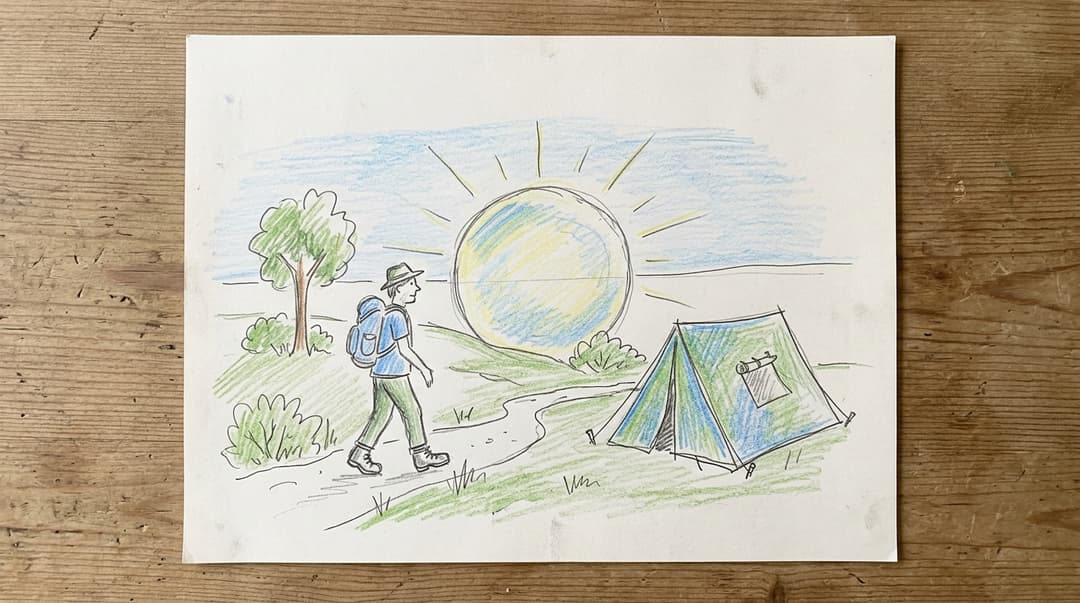
Imagination and Narrative
Create one drawing from the provided stimulus set.
A reflection on how you turn an ambiguous starting point into a coherent idea, scene, and personal visual meaning.
Before you draw
InnerCanvas at innercanvas.app is a private web tool for adults who want a structured drawing psychology test. Choose a drawing task, draw or upload one image, and receive a clear report that separates what is visible from what is useful to consider next. It is not affiliated with similarly named art-therapy, counseling, or e-commerce services.
No. InnerCanvas is for adult self-reflection and education. It does not diagnose, screen, treat, or verify mental health conditions, personality traits, trauma, intelligence, or protected traits, and it should not be used for high-stakes decisions about another person.
InnerCanvas is for adults 18 and older who want a private, structured way to reflect on a drawing. It is not for evaluating children, employees, students, patients, partners, or another person's health or safety.
A draft stays in your browser until you submit it. After submission, the drawing and minimum analysis context are sent to the configured model provider to create the report; submitted drawings, previews, and reports remain private in your account until you delete the content or account.
Yes. You can draw in the browser or upload one clear JPG, PNG, or HEIC image for the selected drawing test.
A complete report separates image observations from possible reflections, includes questions for personal exploration, and shows evidence strength, limitations, conflicting findings, and sources where applicable.
After submission, the drawing and minimum analysis context are sent to the configured model provider to generate the preview and complete report. Technical failures do not use a preview credit; submitted drawings, previews, and reports remain in your private account until you delete them, except for legally required transaction records.
No. Customer drawings are not used to train InnerCanvas models unless you give a separate, explicit, revocable opt-in. Optional analytics is consent-based and excludes drawing content, report text, and test answers.
Read the full Privacy notice for account, drawing, report, provider, deletion, and analytics details.