Adult drawing reflection

House-Tree-Person (HTP)

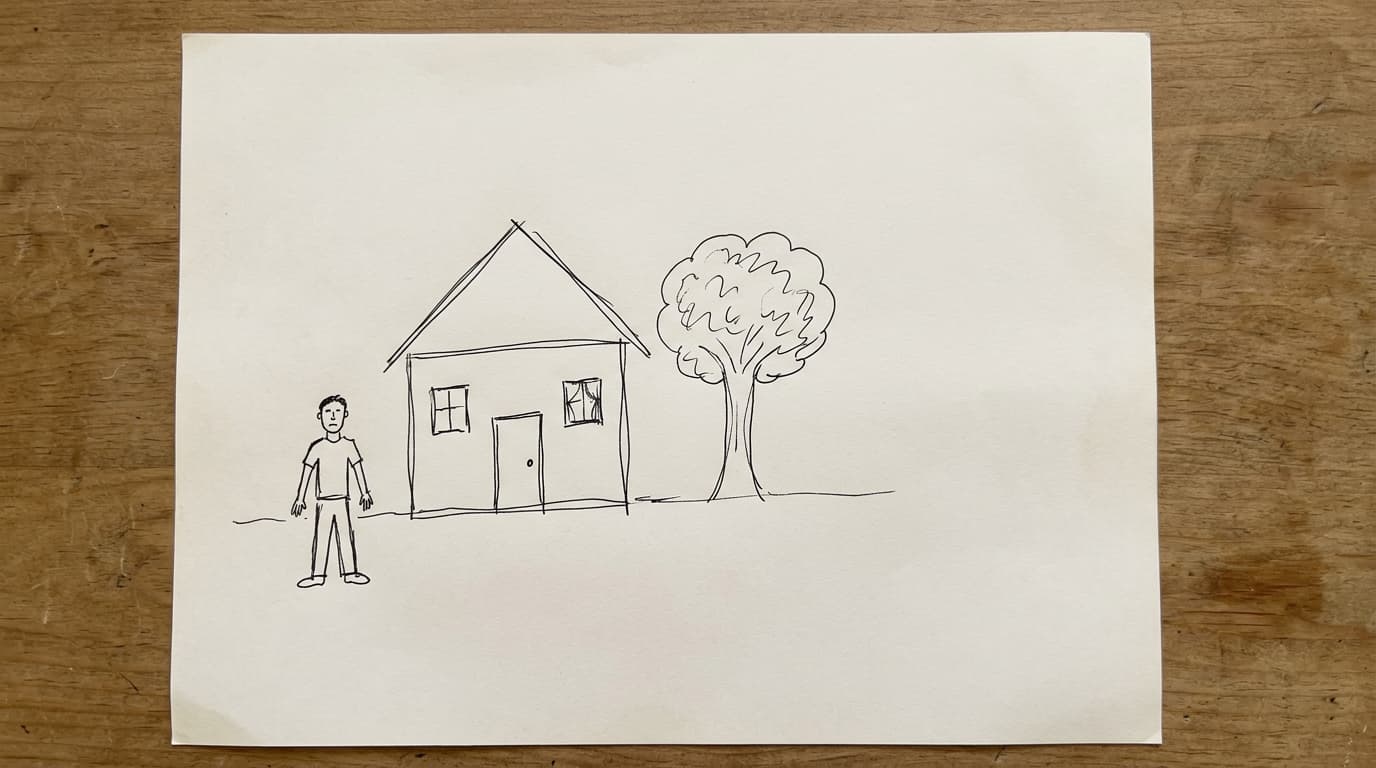
Draw a house, a tree, and a person together in one scene.

House-Tree-Person (HTP) is used as structured clinical and educational conversations about how a person depicts a shared scene. In InnerCanvas, it helps you reflect on how you picture safety and belonging, personal growth, self-image, and the way different parts of your inner and social world relate. The report describes visible drawing choices and possible meanings cautiously; it does not assign a fixed personality label.

12 minutes

Your draft stays on this device until you choose to sign in and submit it.Privacy

01 - 03

What you'll do

  1. 01

    Choose your input

    Choose Draw or Upload, then prepare one clear board for this task: Draw a house, a tree, and a person together in one scene.

  2. 02

    Create one drawing

    Complete the House-Tree-Person (HTP) task in your own way: Draw a house, a tree, and a person together in one scene. Artistic skill is not evaluated.

  3. 03

    Review a private preview

    Review a private preview focused on home, growth, self-image, and scene relationships; decide whether the complete report is useful to you.

What the AI observes

For House-Tree-Person (HTP), InnerCanvas records visible features such as relative size and spacing, doors, windows, branches, and figure completion, how the three required elements share one scene. It describes the drawing and its relationships without treating them as proof of a diagnosis, personality trait, or life history.

Research and limitations

HTP traditions contain many symbolic interpretations, but single drawing features do not diagnose a person or reveal hidden traits. The test is best treated as a structured prompt for reflection, not as a standalone psychological assessment.

free online House-Tree-Person test

What this drawing test can and cannot say

What the drawing task asks

The drawing instructions ask you to complete a specific task: "Draw a house, a tree, and a person together in one scene." InnerCanvas treats the finished image as a starting point for reflection, not as a hidden personality code.

This task has commonly been used as structured clinical and educational conversations about how a person depicts a shared scene.

What InnerCanvas observes

  • relative size and spacing
  • doors, windows, branches, and figure completion
  • how the three required elements share one scene

What the report can do

The report can describe home, growth, self-image, and scene relationships, helping you reflect on how you picture safety and belonging, personal growth, self-image, and the way different parts of your inner and social world relate. It organizes visible observations, connects them to cautious possibilities, and offers questions you can answer in your own words.

What the report cannot do

HTP traditions contain many symbolic interpretations, but single drawing features do not diagnose a person or reveal hidden traits. It also does not replace therapy, assessment, crisis support, or advice from a qualified professional.

Reflection questions

  1. Which element felt easiest to draw: the house, the tree, or the person?
  2. What relationship did you intend between the three elements?
  3. What would you add or change if this scene continued?

FAQ for this test

What is the House-Tree-Person (HTP) page for?

It is a guided free online House-Tree-Person test page for adults who want a private drawing reflection. It explains the drawing task, what InnerCanvas observes, and where the interpretation limits are.

Does InnerCanvas provide HTP test diagnosis?

No. InnerCanvas does not diagnose, screen, or verify mental health conditions. The report uses drawing observations for self-reflection only.

Can I see an example before starting?

Yes. The matching sample report uses a product-created drawing and shows how observations, possible reflections, questions, limitations, and sources are separated.

What drawing details are considered?

InnerCanvas focuses on visible features such as relative size and spacing, doors, windows, branches, and figure completion, how the three required elements share one scene. These features are described cautiously and are not treated as proof of a trait or condition.

How do I take this drawing test online?

Choose the guided prompt, draw in the browser or upload one clear image, then review the sample report and the evidence limits. The result is a private reflection, not a diagnosis.